How We Bake
The day begins with the starter and the scales. Everything is measured by weight so the results stay consistent from one morning to the next.
Mixing and First Rest
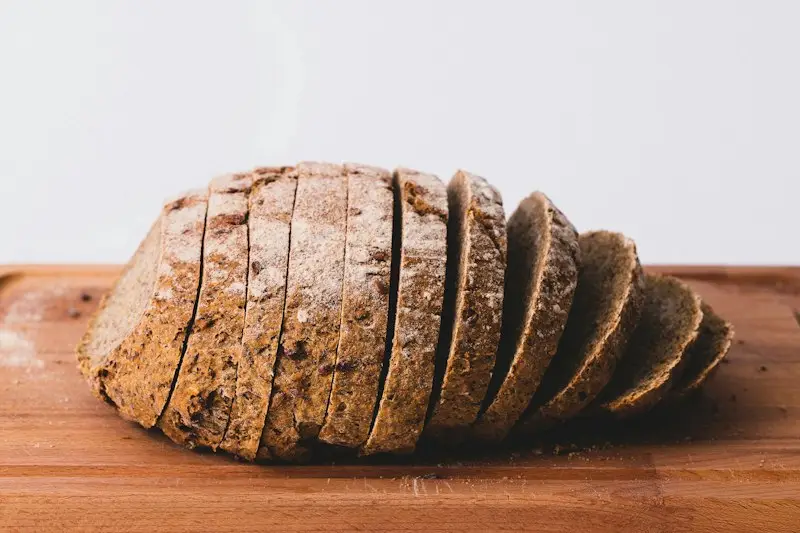
Flour and water are combined first and left for a short autolyse. The starter and salt go in next. The mixer runs on a low speed until the dough pulls cleanly from the sides. After that the dough is turned out and folded by hand every half hour for two hours. The folds build strength without tearing the gluten.
Bowls are covered and left in a cool corner. The temperature of the room is checked so the ferment does not race ahead.
Shaping and Final Proof
Each piece is weighed and shaped with a light hand so the gas is not pushed out. The shaped loaves go into baskets or tins and are covered again. The final proof is judged by the feel of the dough rather than a fixed clock. When it holds a gentle indentation it is ready for the oven.
Baking
The oven is brought up to temperature with steam. Loaves are scored and loaded quickly. The first minutes of high heat set the crust. After that the temperature is lowered so the inside cooks through without burning the outside. Pastries bake in shorter cycles and are watched closely for the right flake.
Everything cools on racks before it reaches the counter. The cooling time is part of the process because the crumb finishes setting while it rests.
See what comes out of the ovensCleaning and Reset
Once the last tray is out the benches are scraped and wiped. Floors are swept so flour does not carry into the next mix. The starter is refreshed and set aside for the following morning. The notes from the day are written down before anyone leaves.